Diabetic Foot Heel Ulcer After Revascularization
Clinical presentation, surgical treatment and documented healing.
- 01 / Problem
- Clinical presentation
- 02 / Procedure
- Surgical approach
- 03 / Outcome
- Healing & follow-up
Clinical photographs below include wounds and surgical treatment.
01 / CLINICAL PRESENTATION
Problem
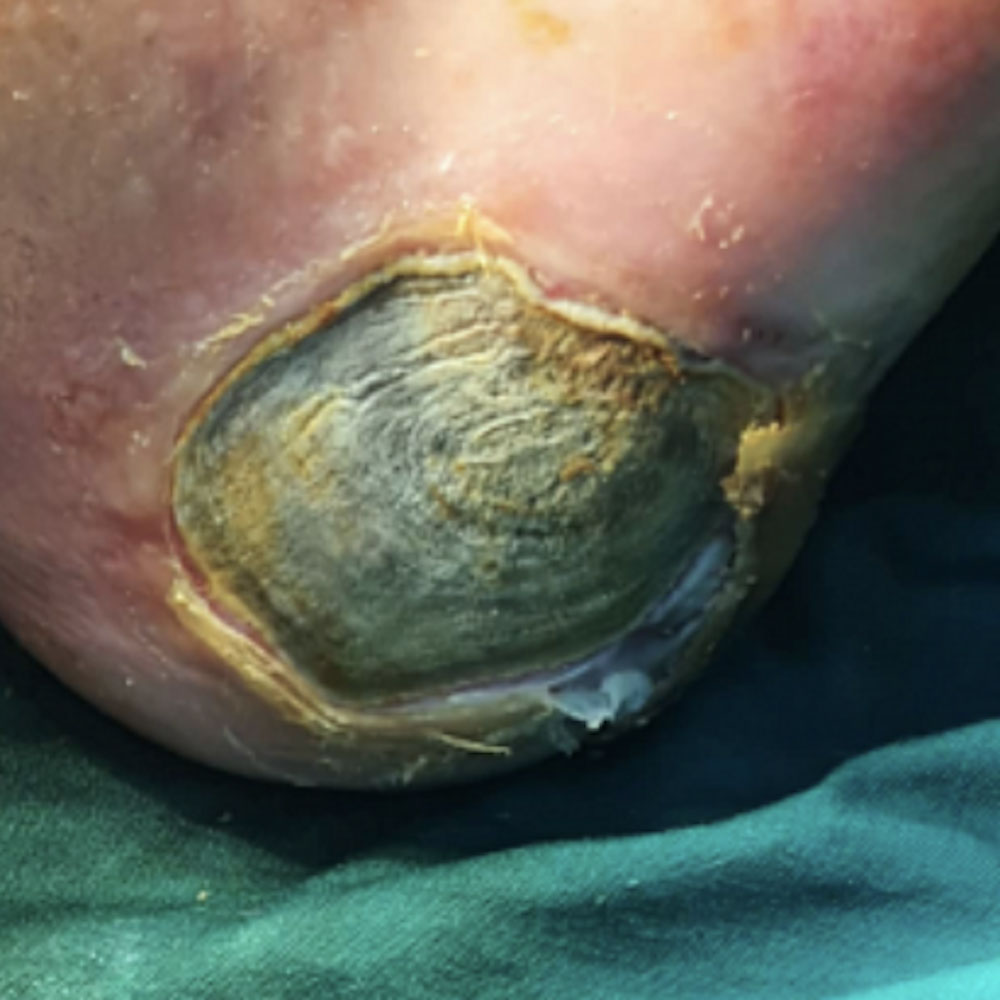
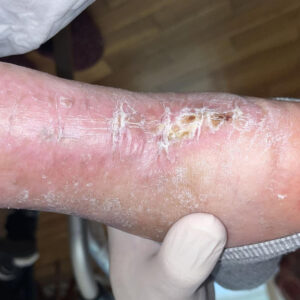
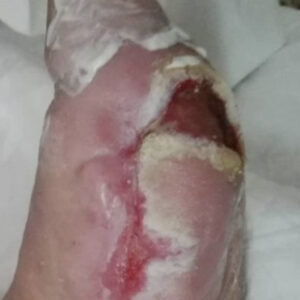
A 70-year-old man with diabetes mellitus presented with a deep heel ulcer complicated by peripheral arterial disease, severe ischemia, and extensive tissue necrosis. Critical limb ischemia threatened wound healing and limb preservation, making restoration of blood flow the essential first step before surgical treatment.
02 / SURGICAL APPROACH
Procedure
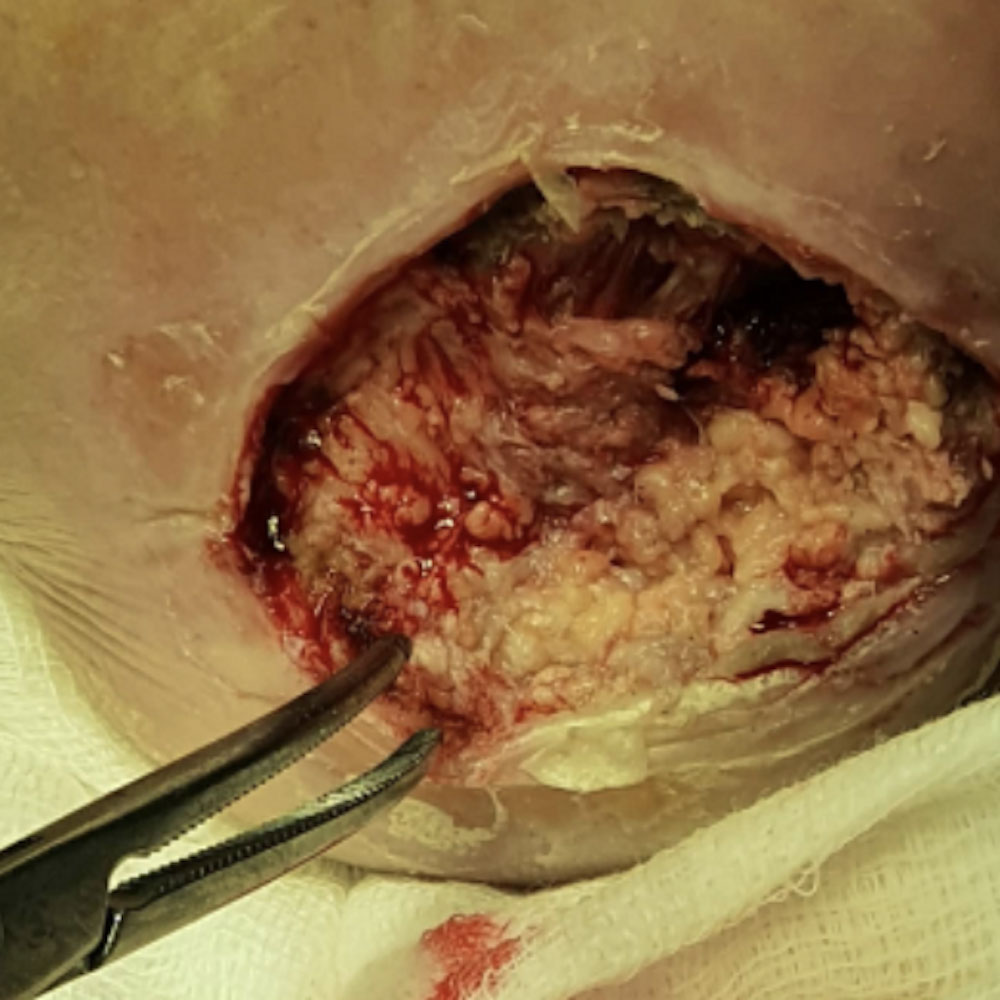
Successful lower-limb angioplasty was performed to restore adequate perfusion, followed by meticulous surgical debridement of all necrotic and infected tissue until healthy, viable margins were achieved. The wound was managed with a limb-salvage approach, preserving as much functional tissue as possible.
03 / HEALING & FOLLOW-UP
Outcome
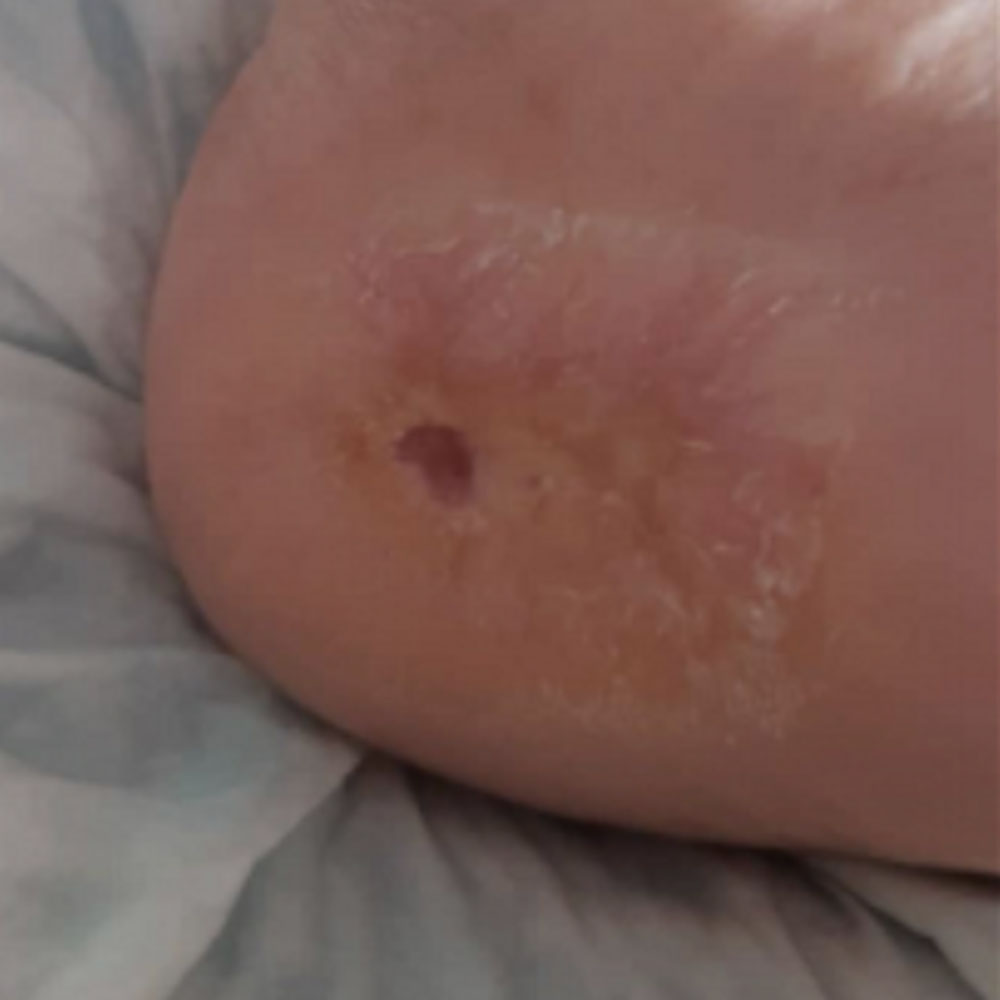
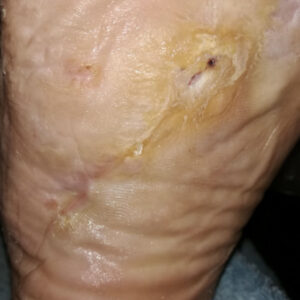
The wound healed progressively after revascularization and surgical debridement, avoiding major amputation and achieving durable limb preservation.
This case demonstrates that successful limb salvage in ischemic diabetic foot ulcers often depends on timely revascularization followed by meticulous surgical debridement. Restoring blood flow before surgery can transform a limb at high risk of amputation into a limb with healing potential.
Concerned About a Diabetic Foot Problem?
Request a diabetic foot assessment and provide our team with the information needed to review your case.
Request a Diabetic Foot Assessment