Diabetic Foot Infected Toe Gangrene Without Bone Resection
Clinical presentation, surgical treatment and documented healing.
- 01 / Problem
- Clinical presentation
- 02 / Procedure
- Surgical approach
- 03 / Outcome
- Healing & follow-up
Clinical photographs below include wounds and surgical treatment.
01 / CLINICAL PRESENTATION
Problem
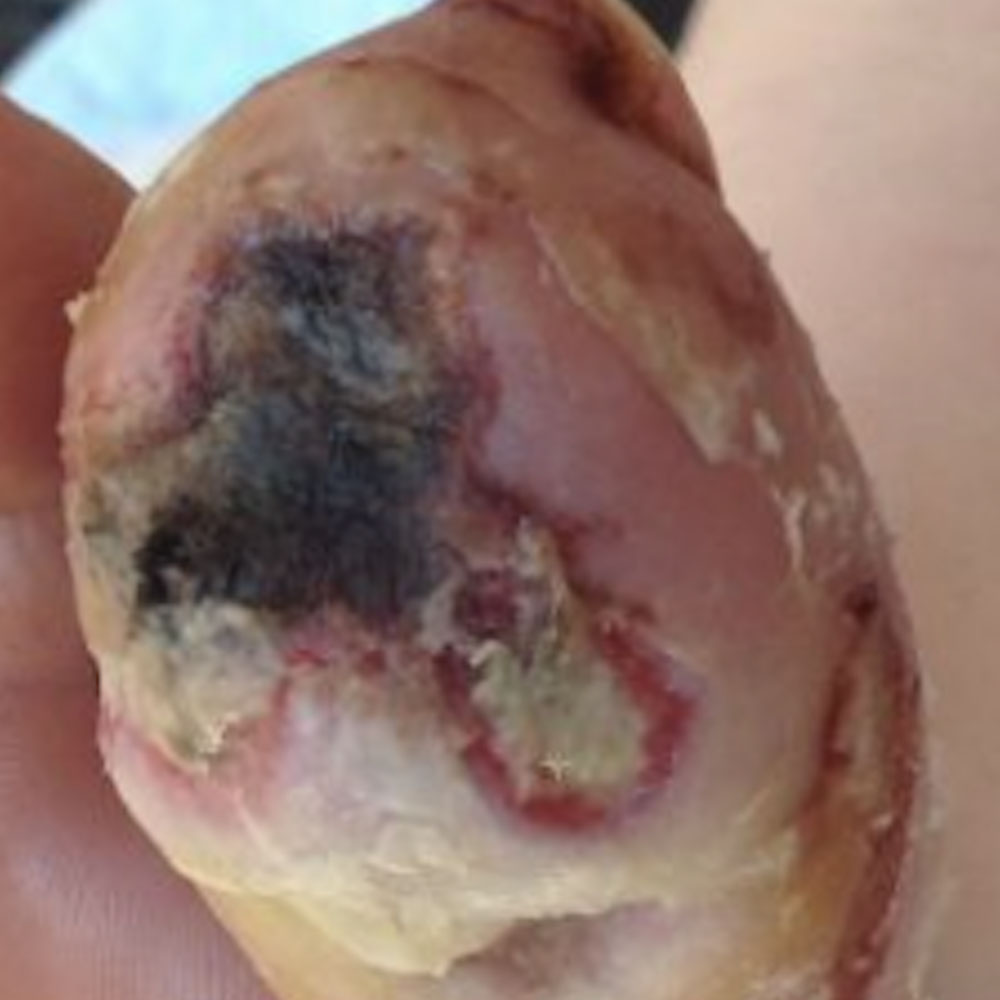
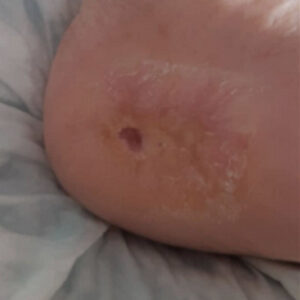
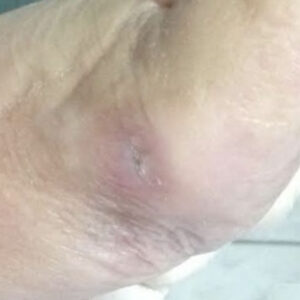
A woman with poorly controlled Type 2 Diabetes Mellitus and morbid obesity presented with infected gangrene of the great toe. Despite the severity of the infection, careful clinical and intraoperative assessment confirmed that the underlying phalanges remained viable, allowing a limb-sparing approach without bone resection.
02 / SURGICAL APPROACH
Procedure
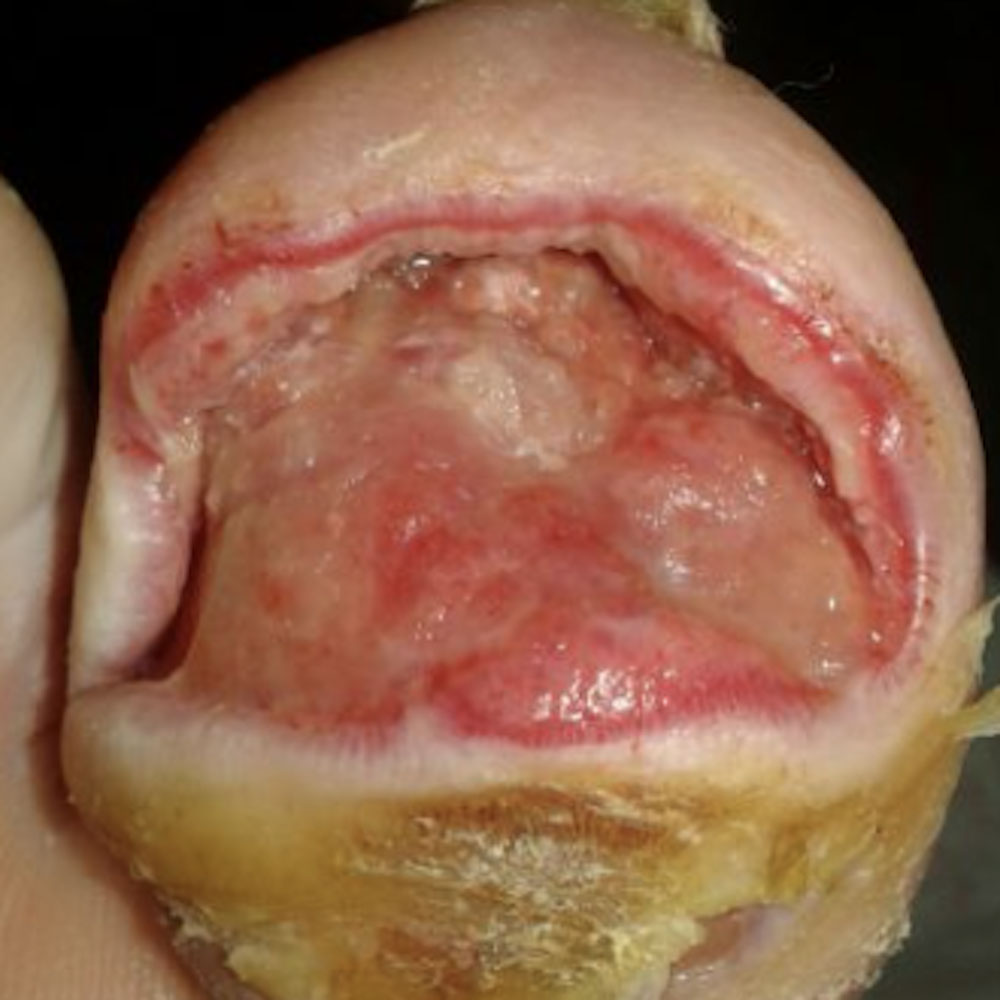
Serial surgical debridements were performed, removing all necrotic and infected soft tissue until healthy, bleeding margins were achieved. All phalanges and the entire toe were preserved, as no osseous resection was required.
03 / HEALING & FOLLOW-UP
Outcome
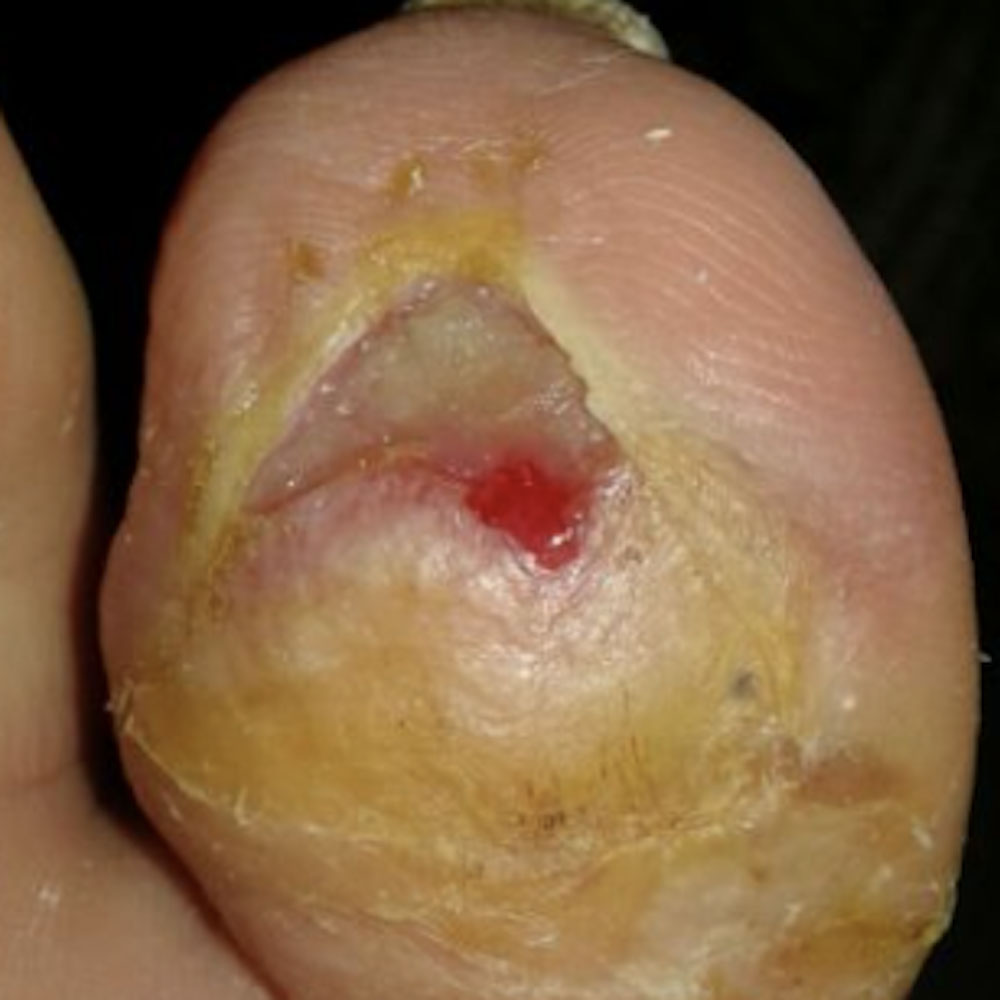
The wound healed progressively with complete resolution of the infection. The entire toe and all underlying bones were preserved, maintaining toe length, stability, and function while avoiding amputation.
This case demonstrates that even infected toe gangrene does not necessarily require bone resection or toe amputation; meticulous surgical debridement and careful assessment of bone viability can achieve complete toe preservation.
Concerned About a Diabetic Foot Problem?
Request a diabetic foot assessment and provide our team with the information needed to review your case.
Request a Diabetic Foot Assessment