FEATURED CLINICAL CASE
DIABETIC FOOT SURGERY · CLINICAL EVIDENCE
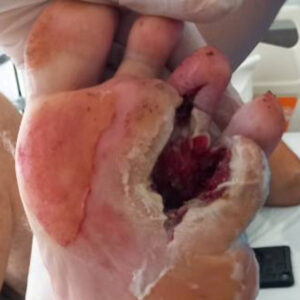
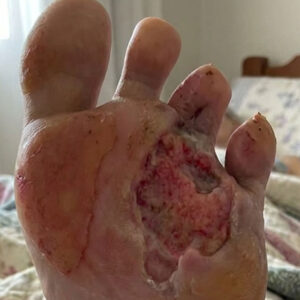
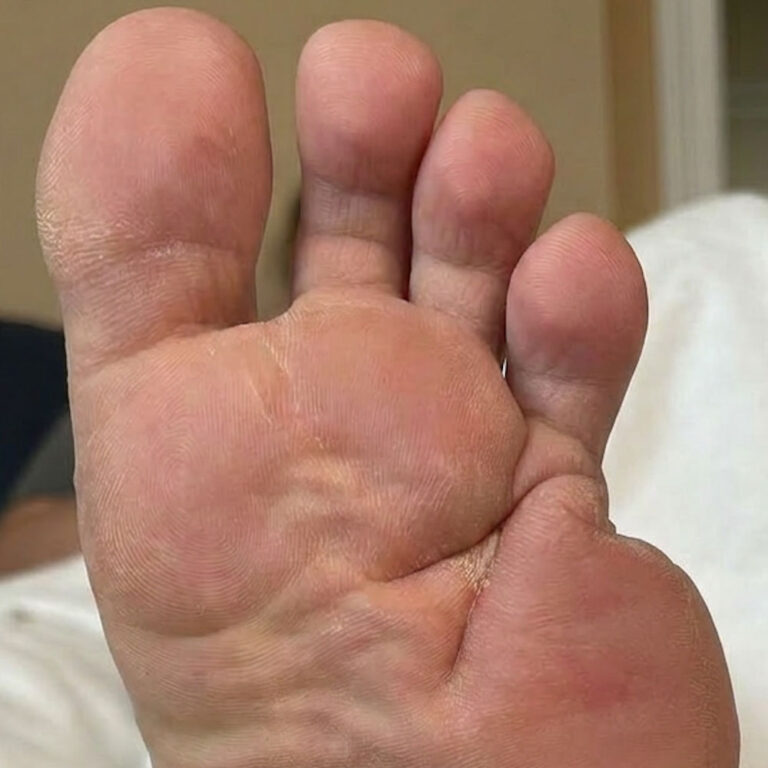
Explore real-world diabetic foot surgery clinical cases demonstrating different surgical approaches to infection control, tissue preservation, limb salvage and wound healing. Cases are organized by treatment type, allowing patients and healthcare professionals to explore the surgical strategies used in different clinical situations.
FEATURED CLINICAL CASE
Select a clinical case category to explore real surgical approaches used in different diabetic foot conditions.
Cases involving surgical debridement, drainage and infection control.
View Clinical Cases →Surgical management of diabetic foot osteomyelitis, including bone-preserving procedures and resections.
View Clinical Cases →Toe, ray and other limited amputations performed as part of a limb-salvage strategy.
View Clinical Cases →Complex postoperative wounds and advanced approaches supporting tissue healing and wound closure.
View Clinical Cases →Explore selected real-world cases illustrating different stages of surgical treatment, from the initial clinical problem to the procedure and outcome.
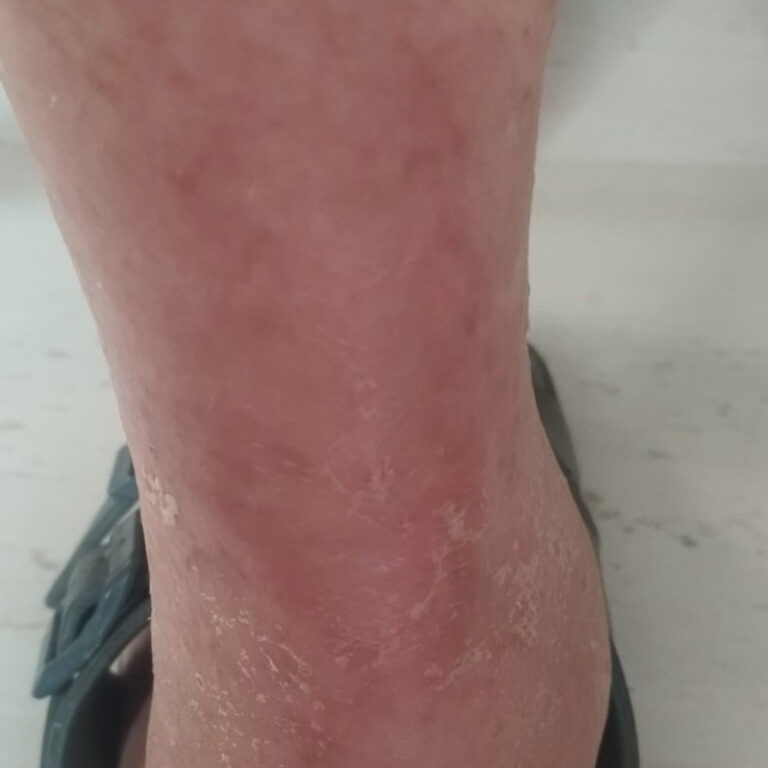
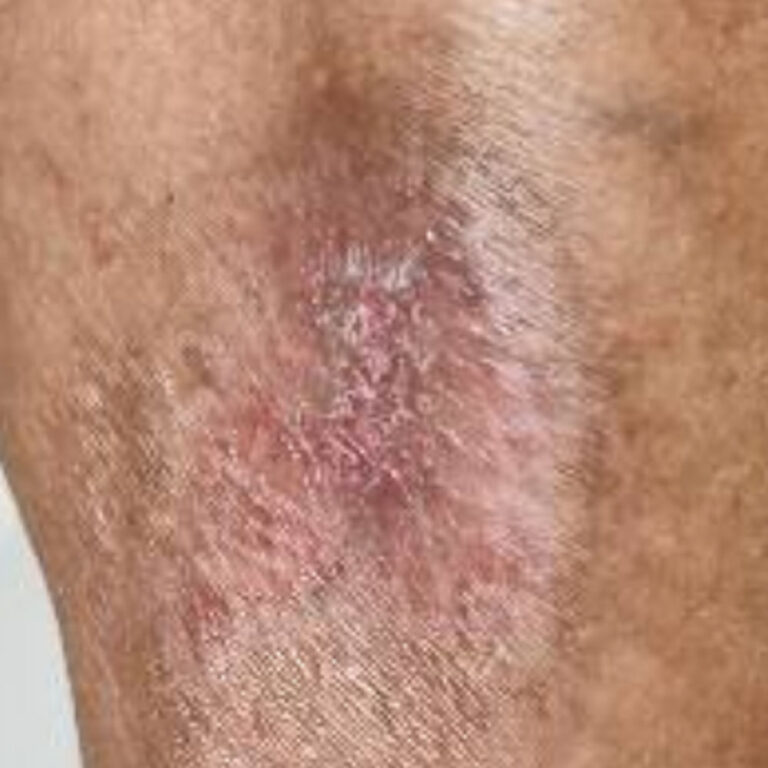
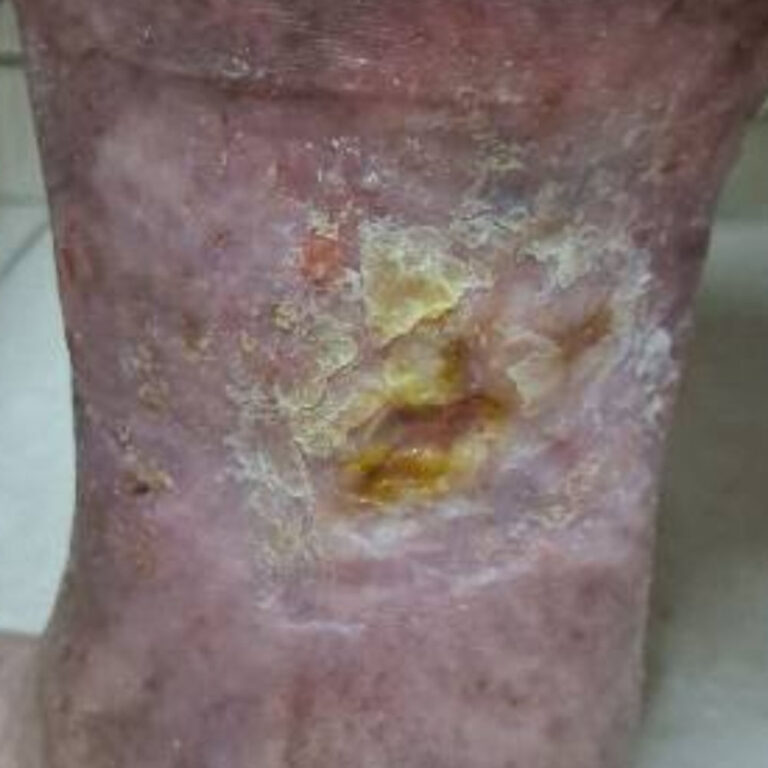
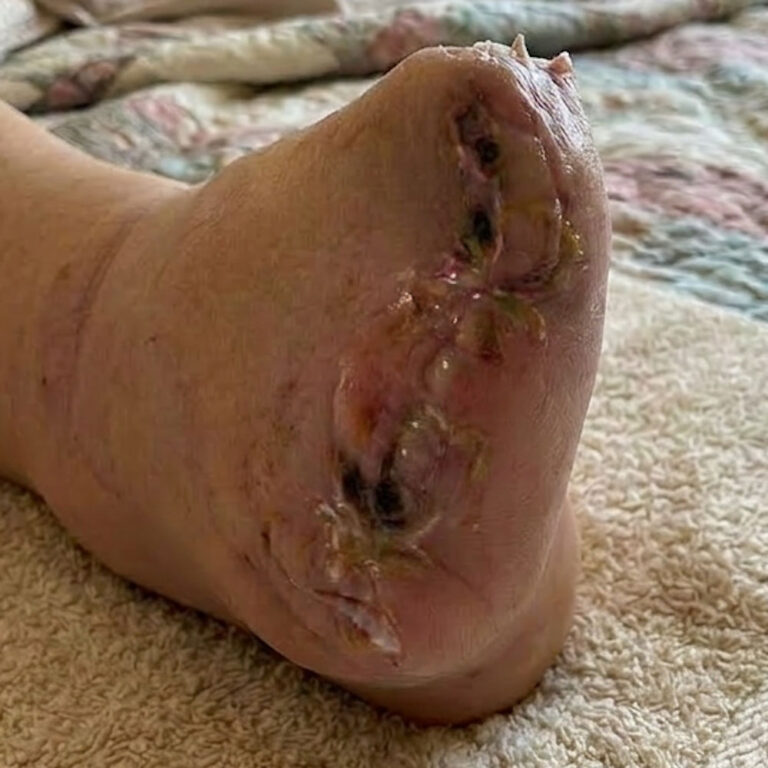
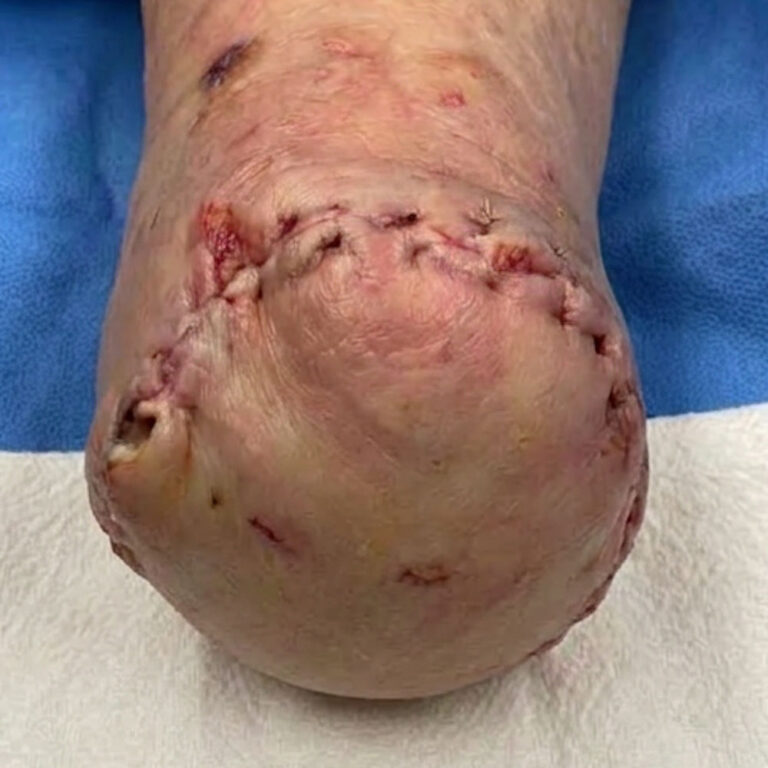
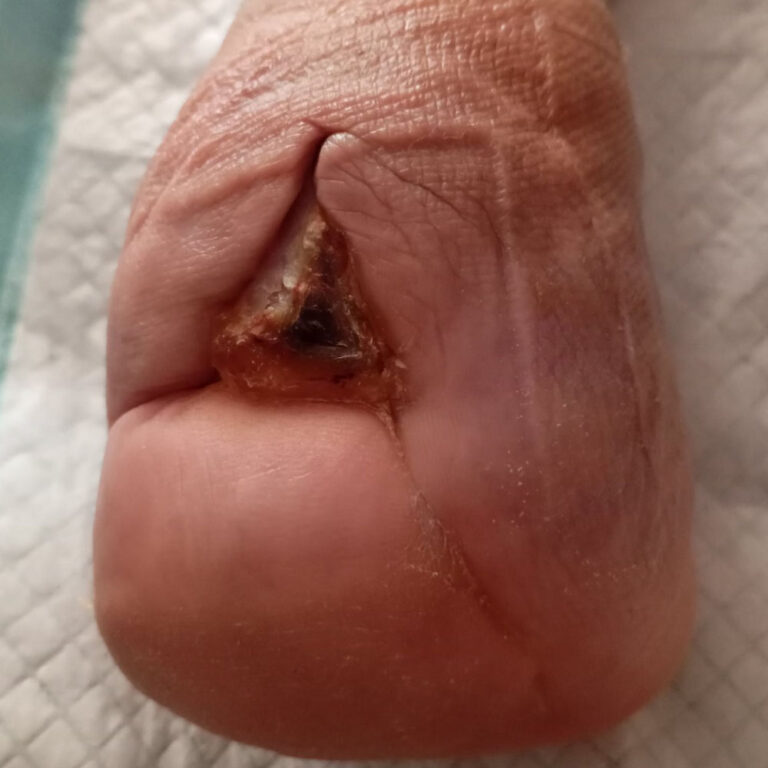
Surgical treatment is tailored to the extent of infection, the presence of osteomyelitis, blood supply, tissue viability and the functional needs of each patient.
Learn more about Diabetic Foot Limb-Salvage Surgery →
Diabetic foot surgery is not a single procedure. The surgical plan depends on the depth and spread of infection, whether bone is involved, the quality of circulation and which tissues can remain viable.
When clinically possible, treatment aims to control infection while preserving the greatest possible functional portion of the foot. This may involve debridement, drainage, targeted bone resection, limited amputation, reconstructive procedures and advanced postoperative wound care.
These clinical cases illustrate surgical approaches used as part of a broader diabetic foot treatment strategy, combining infection control, tissue preservation, wound management and limb-sparing surgical management.
Removing infected and non-viable tissue to limit progression and create the conditions for healing.
Protecting healthy tissue and preserving as much functional foot length as the clinical situation allows.
Choosing surgical approaches that support mobility, stability and long-term limb function.
Supporting wound closure through close follow-up and advanced wound-healing strategies.
Request a diabetic foot assessment. Our clinical team will review the information you provide and guide you toward the appropriate next step.
Request a Diabetic Foot AssessmentMedical disclaimer: The clinical cases presented on this website are provided for educational and informational purposes. Individual treatment decisions require a complete clinical assessment and may differ according to each patient’s condition.