Metatarsal Resection for Recurrent Diabetic Foot Osteomyelitis
Clinical presentation, surgical treatment and documented healing.
- 01 / Problem
- Clinical presentation
- 02 / Procedure
- Surgical approach
- 03 / Outcome
- Healing & follow-up
Clinical photographs below include wounds and surgical treatment.
01 / CLINICAL PRESENTATION
Problem
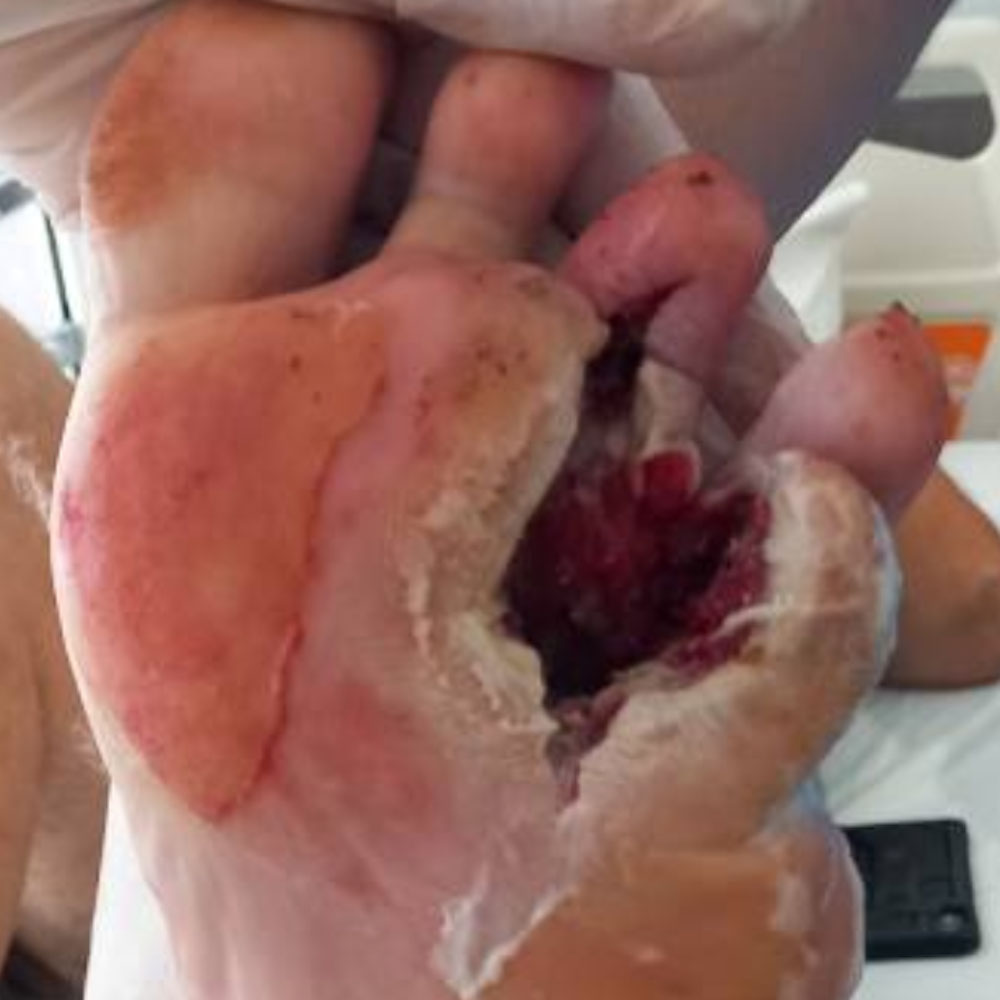
A 60-year-old patient with type 2 diabetes had previously undergone angioplasty for peripheral arterial disease, followed by amputation of the fifth toe and the proximal fifth metatarsal because of gangrene. Two years later, the patient returned with a plantar ulcer beneath the fourth metatarsal after failing to use the prescribed off-loading therapeutic footwear. Evaluation demonstrated osteomyelitis of the third and fourth metatarsals.
02 / SURGICAL APPROACH
Procedure
Surgical debridement was performed with resection of the distal portions of the third and fourth metatarsals, removing all infected bone while preserving as much of the foot as possible to maintain function.

03 / HEALING & FOLLOW-UP
Outcome
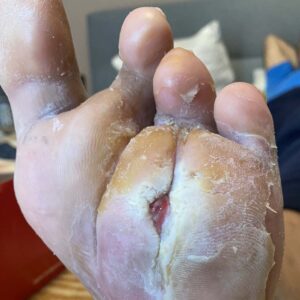
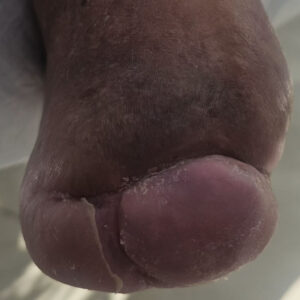
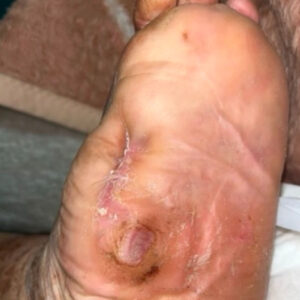
The wound healed completely by secondary intention within three months. Following healing, the patient was fitted with custom off-loading footwear to reduce plantar pressure and prevent recurrent ulceration. This case highlights the critical importance of long-term pressure off-loading after minor amputations, as inadequate footwear can lead to recurrent ulcers, osteomyelitis, and the need for further bone resection.

Concerned About a Diabetic Foot Problem?
Request a diabetic foot assessment and provide our team with the information needed to review your case.
Request a Diabetic Foot Assessment