Hallux Osteomyelitis Treated with Phalangeal Resection and Toe Preservation
Clinical presentation, surgical treatment and documented healing.
- 01 / Problem
- Clinical presentation
- 02 / Procedure
- Surgical approach
- 03 / Outcome
- Healing & follow-up
Clinical photographs below include wounds and surgical treatment.
01 / CLINICAL PRESENTATION
Problem
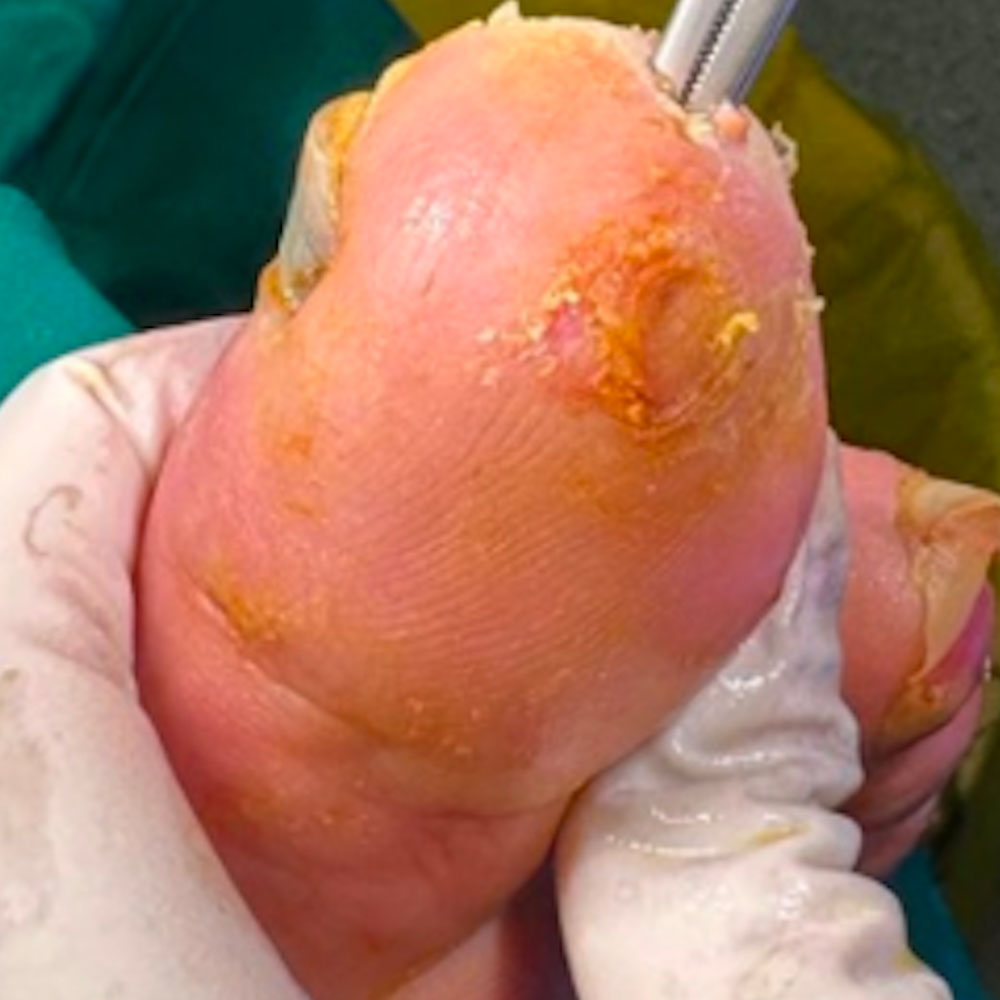
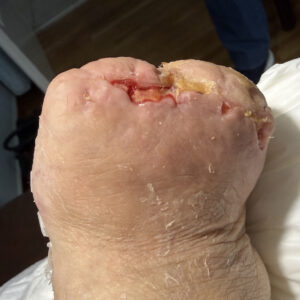
A 54-year-old man with diabetes presented with hallux osteomyelitis associated with a draining sinus tract. Infection involved the phalanges of the great toe, placing the hallux at risk of amputation.
02 / SURGICAL APPROACH
Procedure
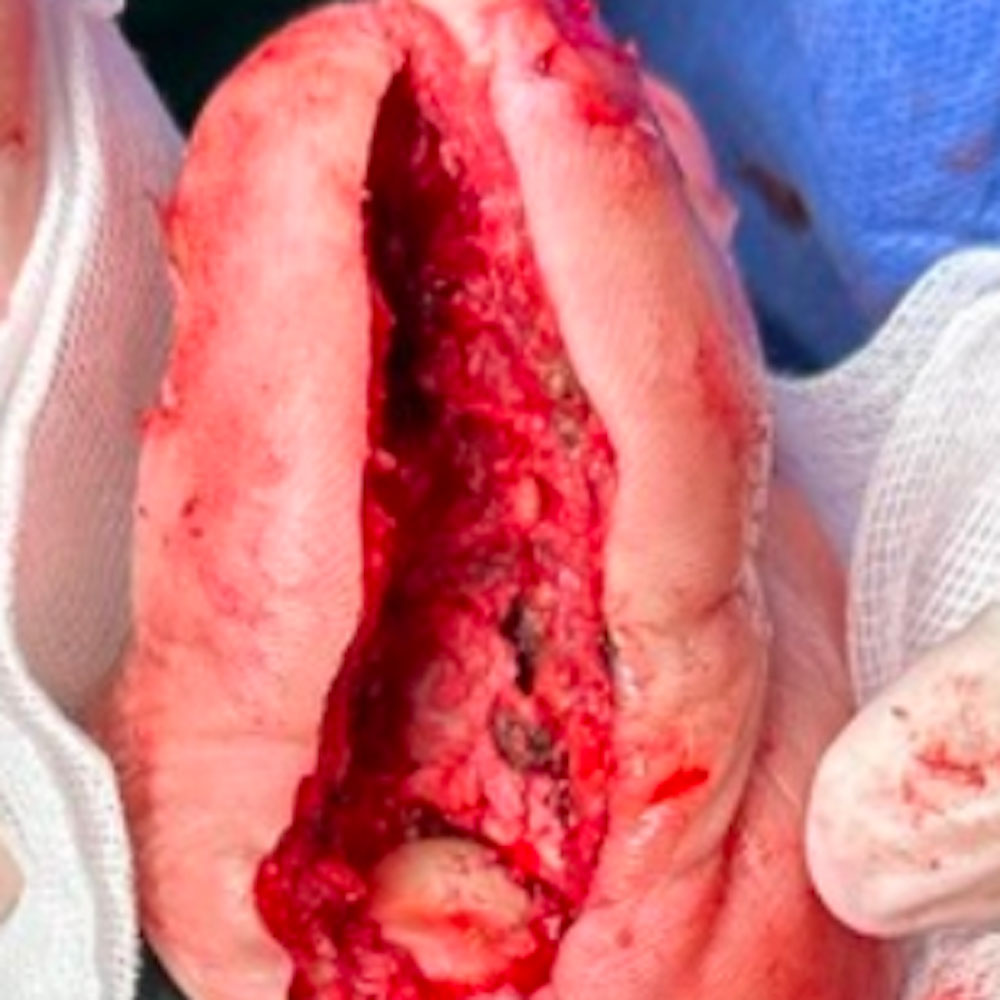
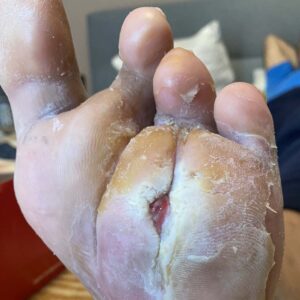
Radical surgical debridement with resection of the infected phalanges was performed while preserving the soft-tissue envelope of the hallux. The wound was left to heal by secondary intention following complete eradication of the infected bone.
03 / HEALING & FOLLOW-UP
Outcome
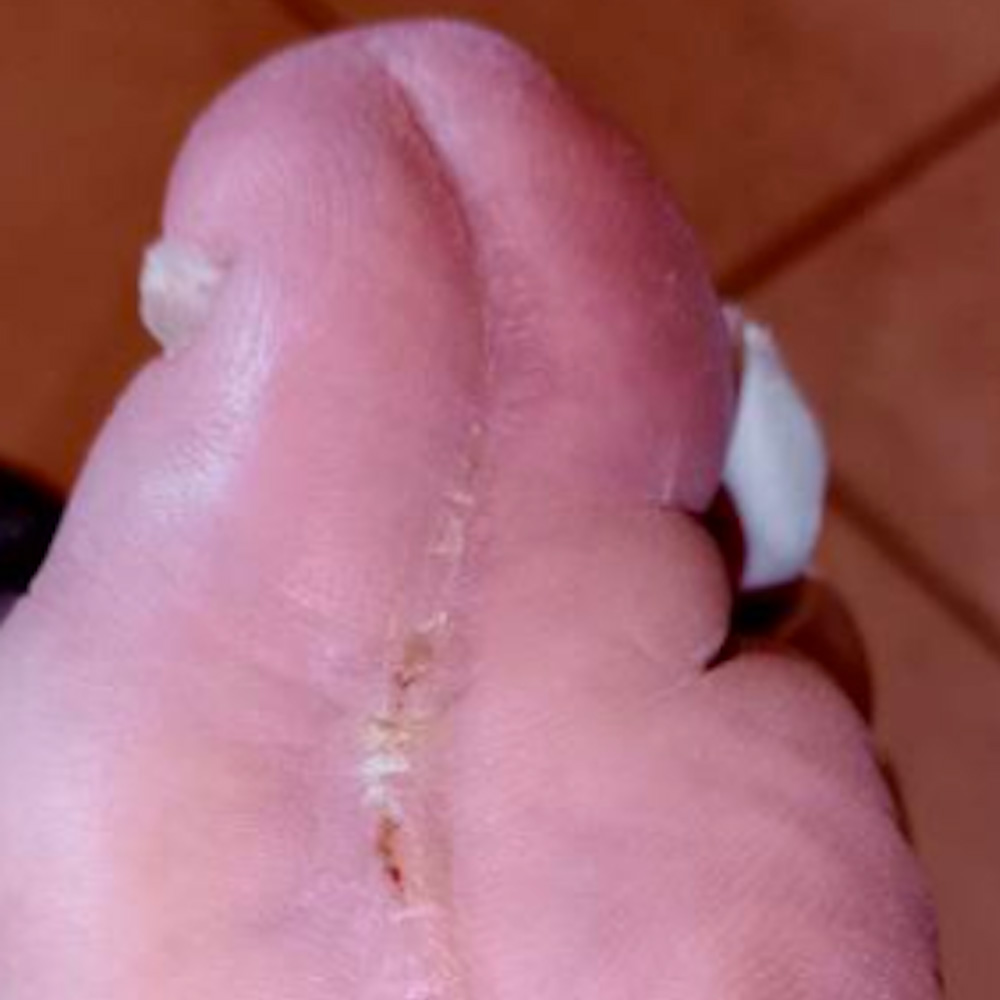
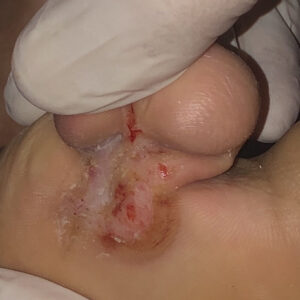
The wound healed completely by secondary intention within approximately 3 months, without the need for hallux amputation.
Complete eradication of osteomyelitis was achieved while preserving the great toe, maintaining its weight-bearing function and contribution to normal gait.
Concerned About a Diabetic Foot Problem?
Request a diabetic foot assessment and provide our team with the information needed to review your case.
Request a Diabetic Foot Assessment