Partial Forefoot Amputation Following Revascularization
Clinical presentation, surgical treatment and documented healing.
- 01 / Problem
- Clinical presentation
- 02 / Procedure
- Surgical approach
- 03 / Outcome
- Healing & follow-up
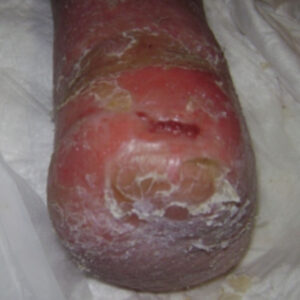
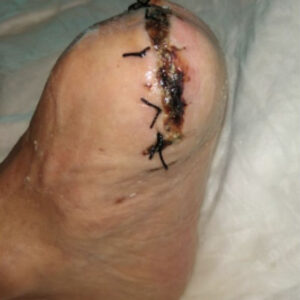
Clinical photographs below include wounds and surgical treatment.
01 / CLINICAL PRESENTATION
Problem
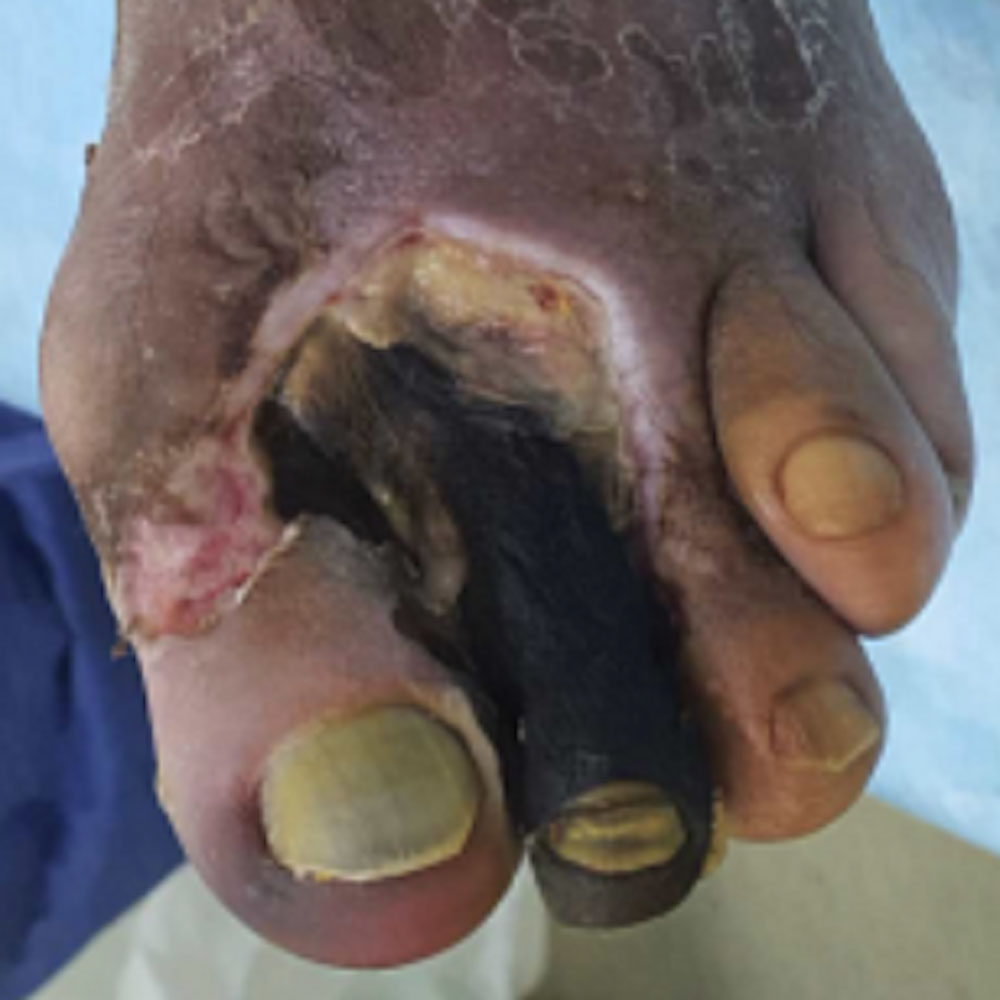
A 70-year-old patient with diabetes presented with extensive ischemic gangrene involving the second toe, extending to the corresponding metatarsal, with additional ischemic involvement of the first and third toes. Severe diabetic peripheral arterial disease required endovascular revascularization (angioplasty) before any definitive foot surgery could be safely performed. The referring hospital had recommended a major amputation of the entire foot.
02 / SURGICAL APPROACH
Procedure
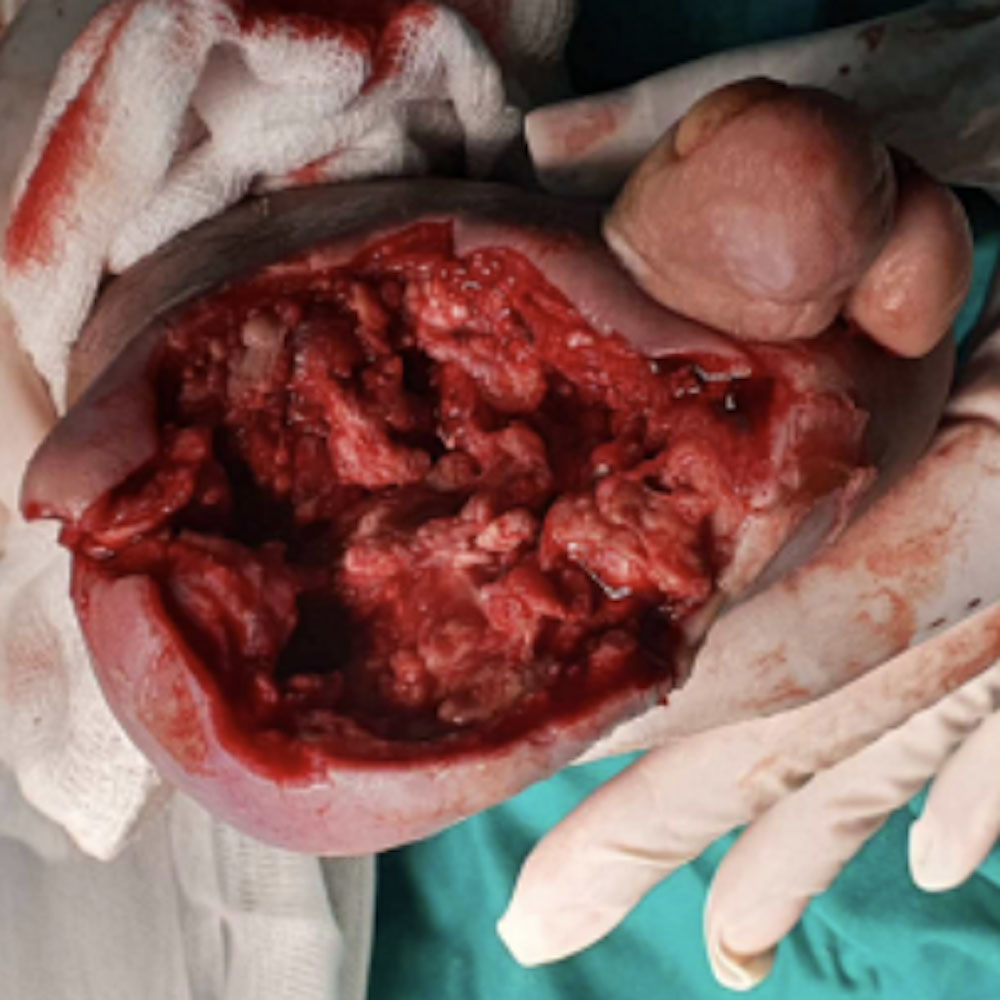
Following successful restoration of blood flow, the patient underwent limb-salvage surgery consisting of amputation of the first, second, and third toes together with partial resection of the corresponding metatarsals. All non-viable tissue was excised while preserving the maximum amount of functional forefoot compatible with complete eradication of ischemic disease.
03 / HEALING & FOLLOW-UP
Outcome
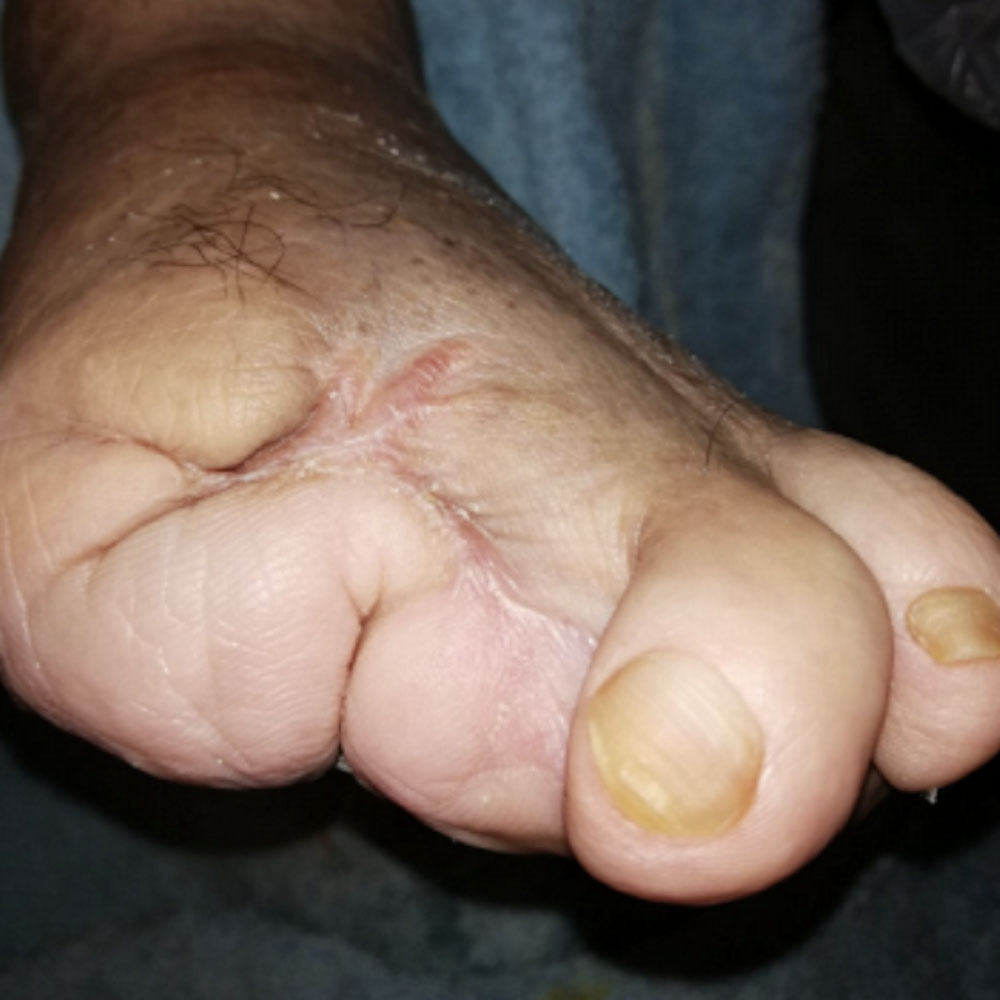
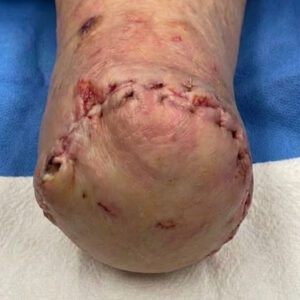
The wound healed completely within five months, preserving a stable, plantigrade foot and avoiding the major amputation initially recommended. This case illustrates how timely revascularization combined with carefully planned, limited foot amputation can transform a limb considered unsalvageable into a functional extremity, preserving both ambulation and quality of life.
Concerned About a Diabetic Foot Problem?
Request a diabetic foot assessment and provide our team with the information needed to review your case.
Request a Diabetic Foot Assessment